
Meads
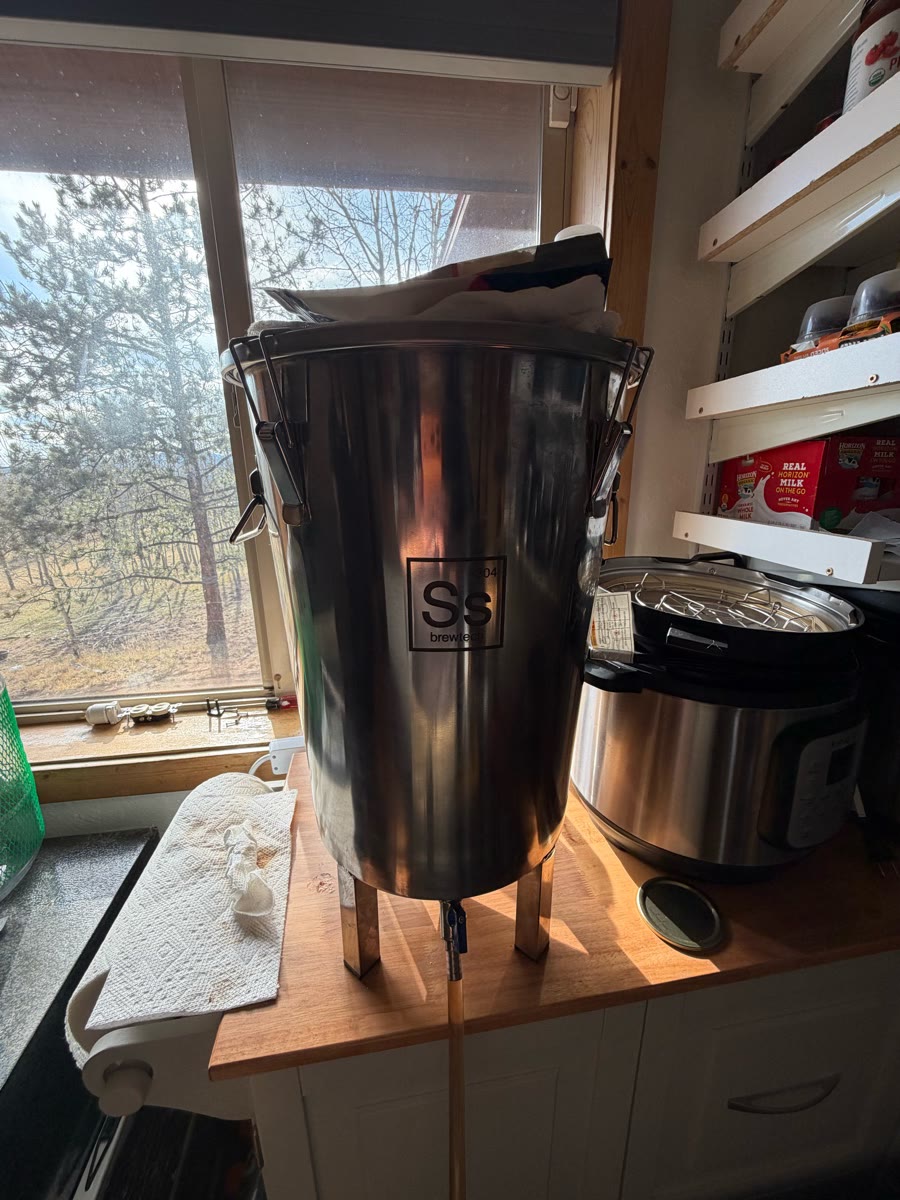
I’ve been making meads for about five years now. Like most people, I started with gallon-sized jars and quickly graduated to five-gallon carboys. As production scaled, I invested in a conical fermenter, which has been transformative—everything settles to the bottom, making the process cleaner and more efficient.
The Process
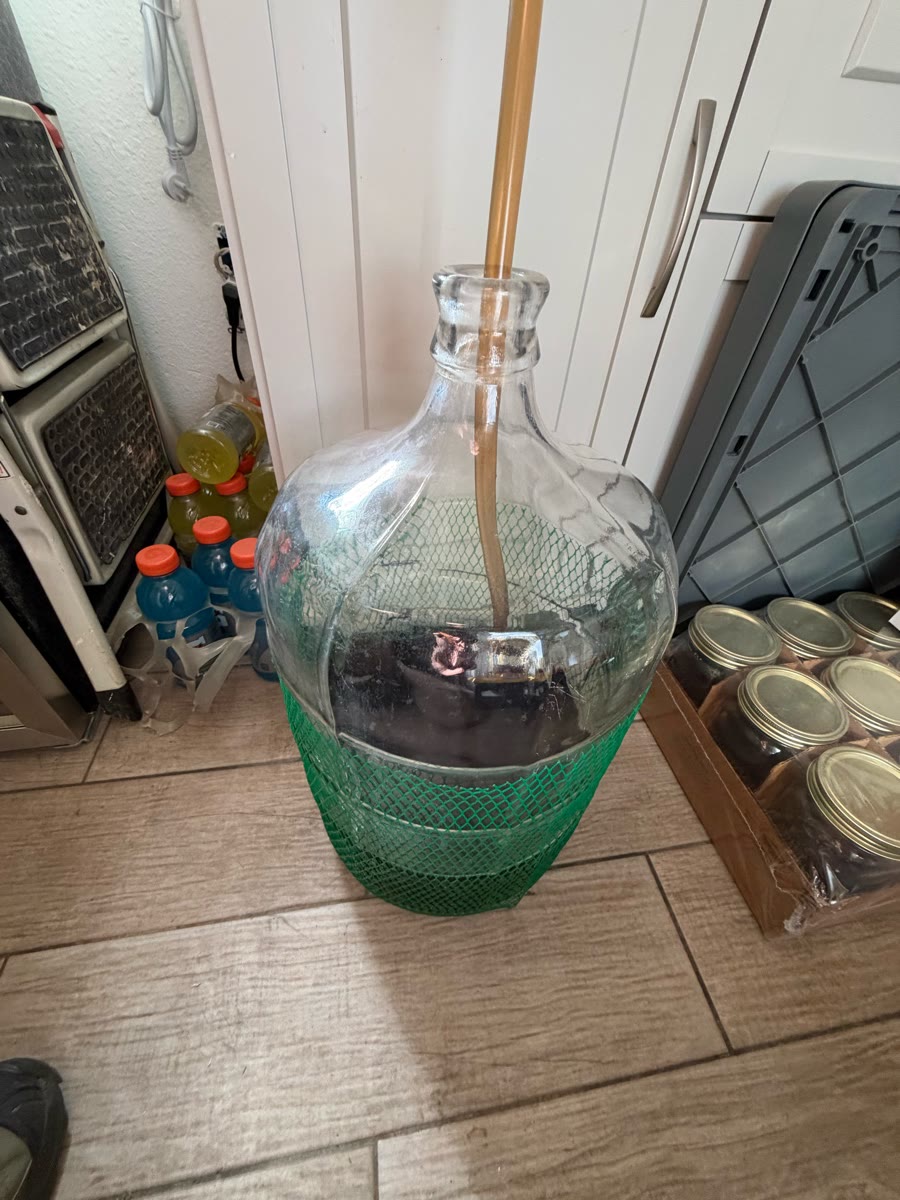
A critical step in mead making is racking, the process of transferring liquid from one carboy to another while leaving the sediment and sludge behind. This clarifies the mead and removes dead yeast and other solids that accumulate during fermentation. With a conical fermenter, racking becomes straightforward—the sediment collects at the bottom, and you can drain it directly.
Mead Terminology
Before diving into my approach, a quick primer on mead types:
Mead: Fermented honey and water. The base for everything else. Melomel: Mead with fruit added during fermentation. Cyser: A melomel made specifically with apples or apple juice. Metheglin: Mead with herbs, spices, or other botanicals added. Often combined with fruit, which makes it both a melomel and a metheglin.
Recipes and Approach
I have a small library of mead recipe books. The two I return to most often are Let There Be Melomels by Robert Ratcliffe and The Big Book of Mead Recipes, also by Robert Ratcliffe. Both are excellent references for understanding the fundamentals and getting ideas, though I very seldom follow a recipe exactly. I use them as starting points and adjust based on what I have on hand and what I’m trying to achieve.
What I’m Making
Over the years I’ve made melomels, cysers, and metheglins. At this point, I’m primarily focused on metheglins. There’s a fine line between these categories—melomels are fruit-based meads, but once you add botanicals like cacao nibs or spices, they technically become metheglins. That’s where my interest has settled.
Posts
No posts yet.