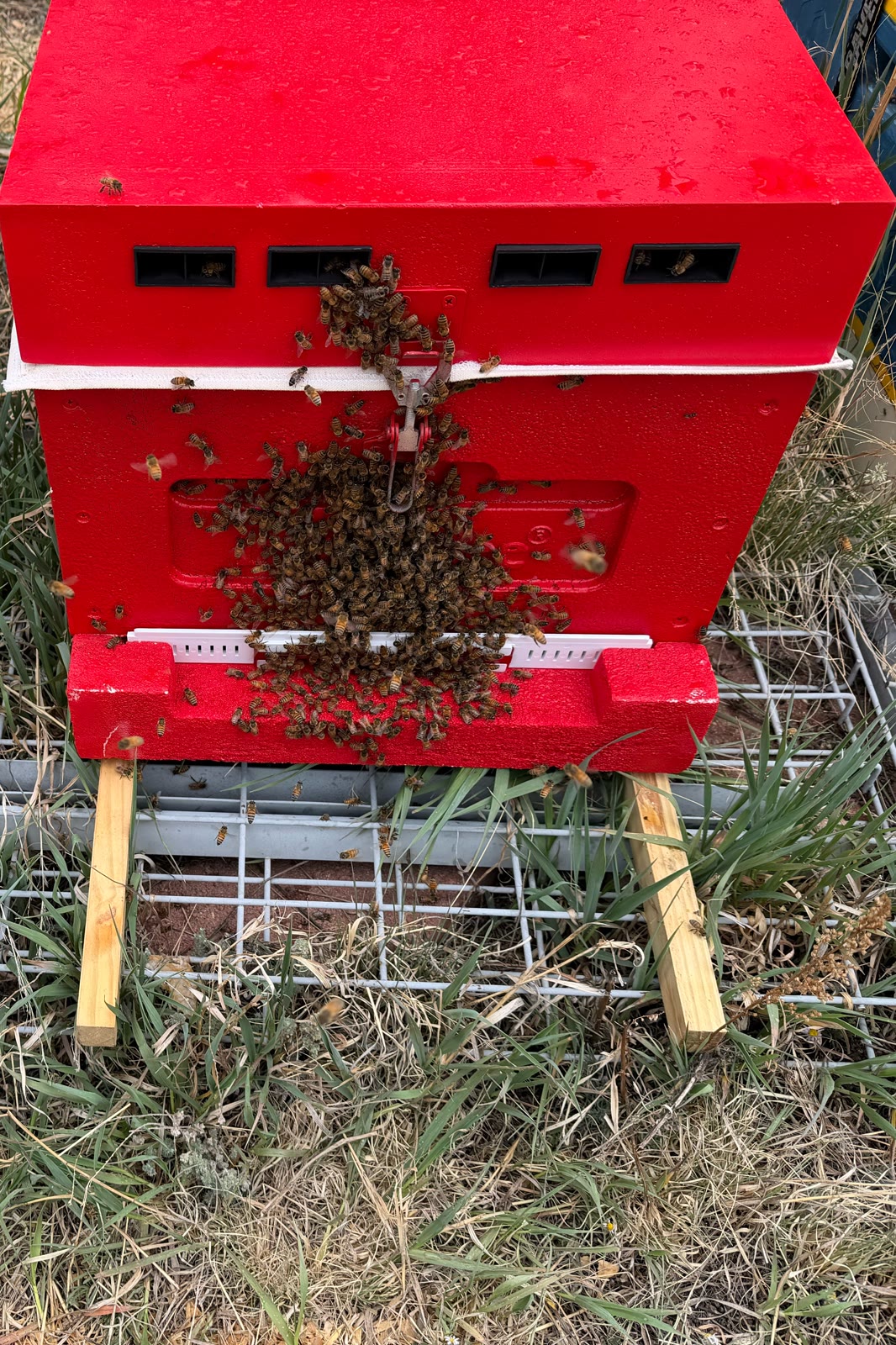
Last winter was brutal. We started with four hives at Circling Dragons, three of them very strong and well-established at our 9,200-foot elevation after multiple years of operation. By spring, three of them were dead. Only one survived.
The failure weighs on me because I know exactly what happened, and it was a decision I made.
The Setup That Failed
I’d invested time building quilt box inserts—a two-layer system with sugar cubes on the lower insert as a candy board and wood shavings on top to absorb moisture. We actually make these cubes ourselves, and the system had worked well the prior winter. The bees could move up into the sugar when they needed it, and the shavings pulled moisture away from the frames.
But everything I read last fall said the same thing: don’t use quilt boxes. They’re bad. The consensus was strong enough that I decided to trust it. The year before, we’d observed condensation building up inside the quilt box, and by spring there was visible mold growth creeping across the top frames. That was real. That was a problem. So when I saw the internet’s verdict, it made sense to try a different approach.
I removed the quilt boxes.
What Went Wrong
Without the insulation they provided, I believe the bees froze. One hive had small ventilation holes that I never sealed, and normally that’s fine—bees need some air exchange. But the quilt box had been blocking those holes anyway, creating an unintended seal. Without it, cold air had a direct path in.
Another hive was weak going into winter. It was a package—bees and a queen, no built-up population or stores. They didn’t stand a chance, and honestly, that’s partly on me for not being more aggressive about fall feeding.
The third hive is still a mystery. We could see them flying in early winter. Then sometime between December and March, they stopped. No clear answer—no dead mites piled up, no frames of dead bees, nothing obvious. They just quit.
The Lesson
The quilt box wasn’t the enemy. The condensation was a symptom of a different problem—one that needed solving, not a reason to abandon the entire system. I should have sealed the vents, improved ventilation elsewhere, or adjusted how I was managing moisture. Instead, I listened to theory and abandoned something that had actually worked.
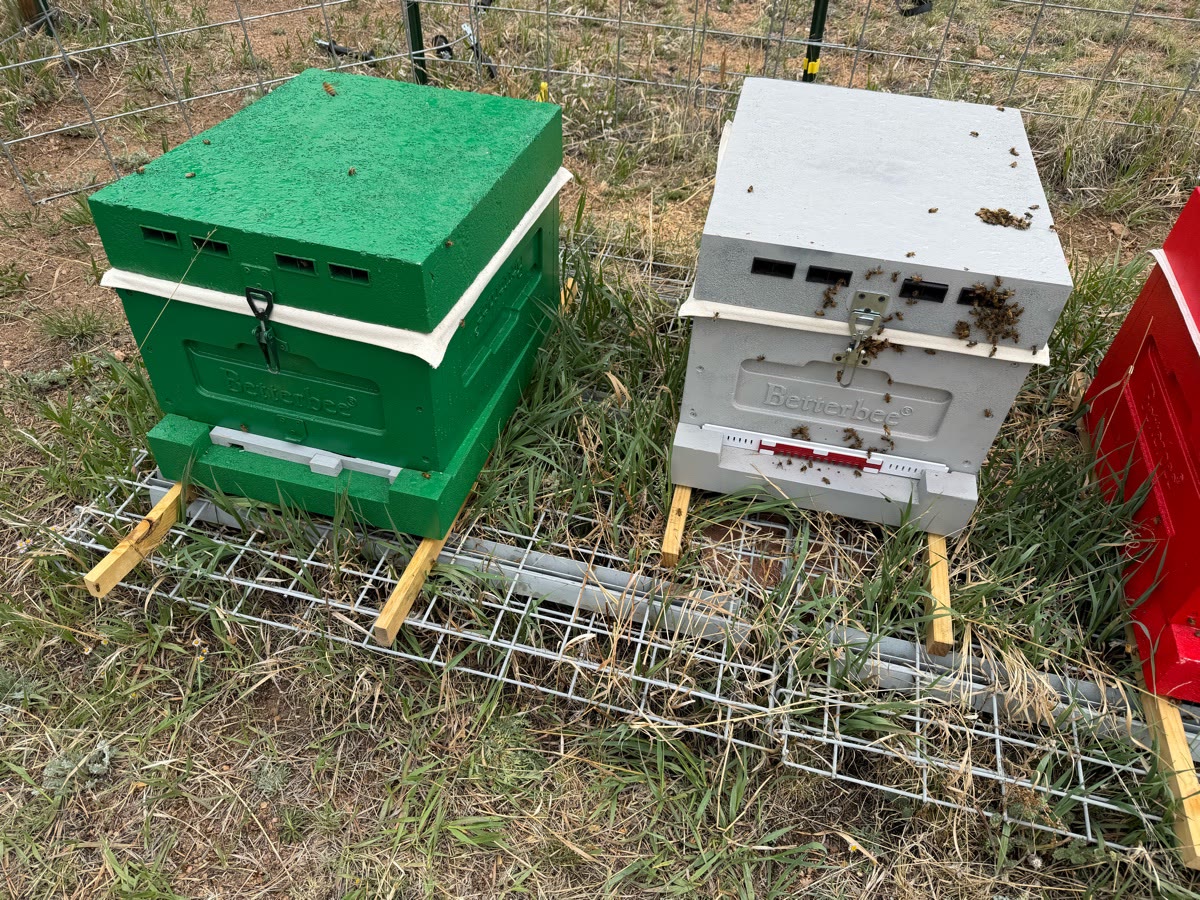
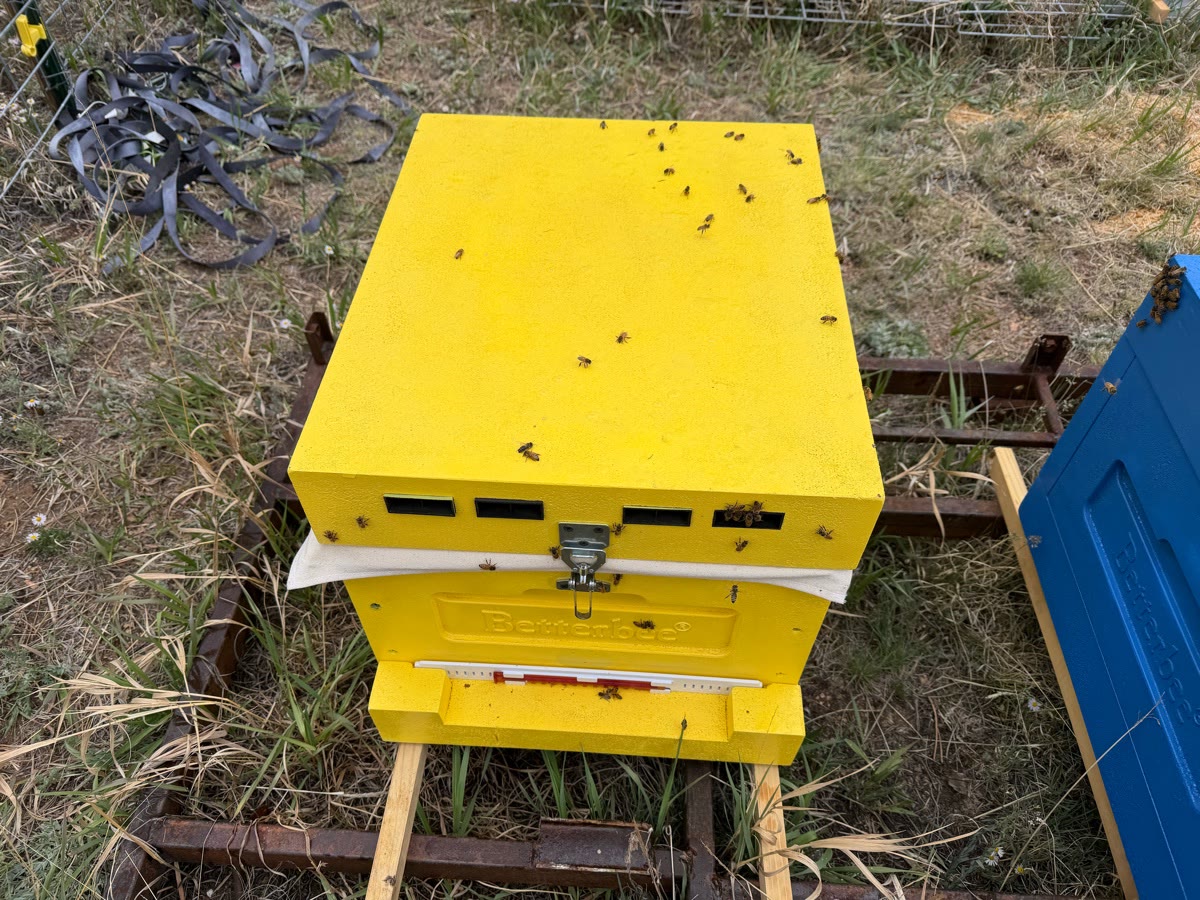
This year we’re starting fresh with six nucs, all in Better Bee insulated hives. I’m a fan of their design—10 frame bodies, a solid latch system that actually works, and quality bottom boards that don’t warp. They’re built for the kind of conditions we have up here.
2026 Strategy
We’re committing to year-round feeding for these new colonies. At this altitude, there’s almost no natural forage, and this has been a very dry year. The wildflowers and late-summer flows we might normally count on aren’t reliable. We can’t afford to guess or test theories while these hives are trying to build strength.
We’ll take honey off the one surviving hive if it can spare a frame or two, but that’s not the priority. Every resource goes toward making sure these six new colonies go into next winter as strong and prepared as possible.
I’ll be reporting back as the season unfolds—feeding schedules, colony builds, any adjustments we make. For now, we’re learning from winter and building better.